Halton Regional Council Update – February 19 Meeting
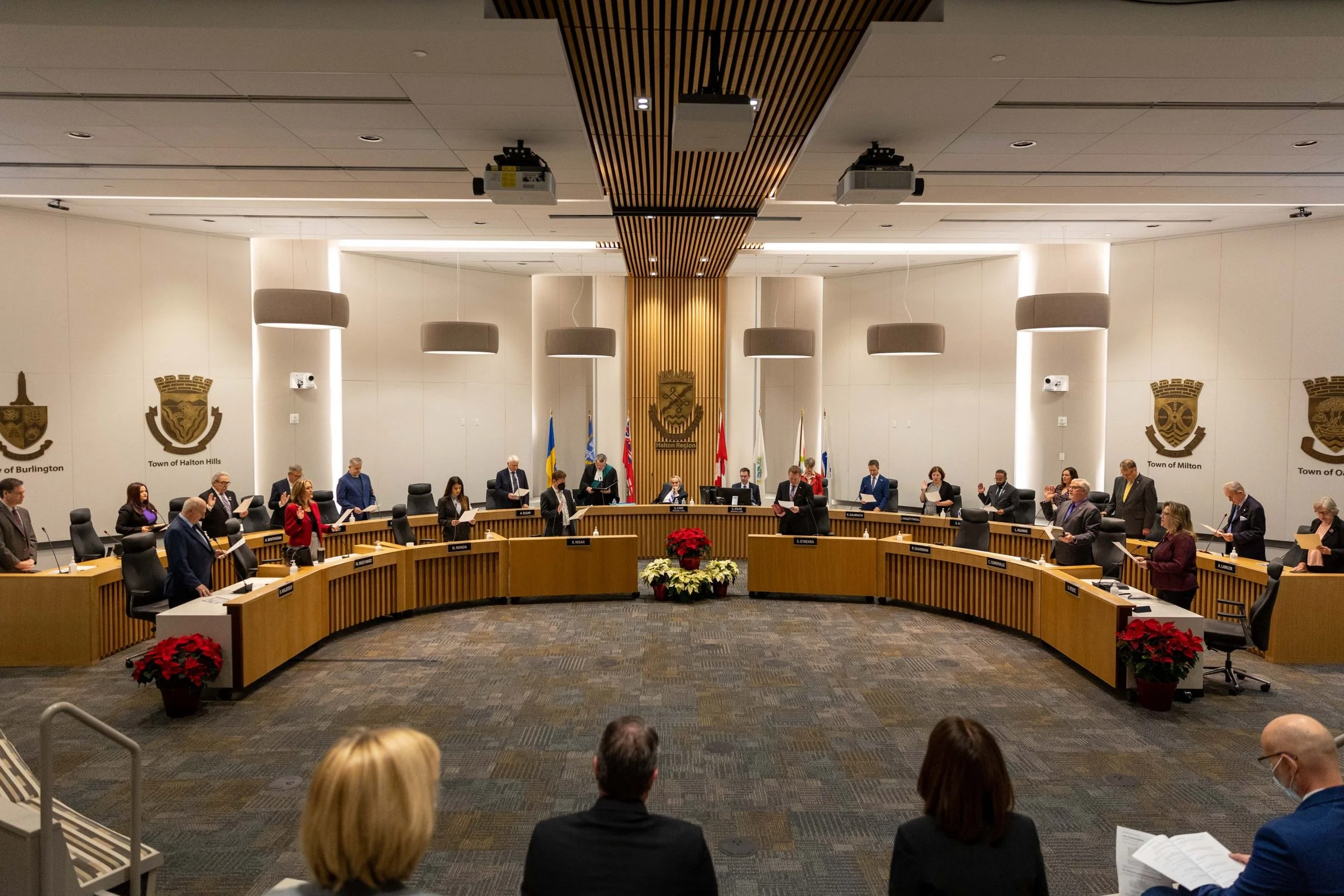
We got an eye-opening report at Halton Region on February 19 that some members of our community are spending between 41% to 141% of their income on food—and incomes aren’t keeping up with the cost of housing. We will continue to advocate for appropriate supports, building on a motion I brought with Councillor Sameera Ali in 2023.
I also brought three resolutions, one for “Buy Canadian” in response to potential tariffs, and two related to aggregate operations to protect the Jefferson Salamander and Air Quality.
Addressing Homelessness with Modular Homes in Burlington
Halton Region has secured funding from the Encampment Response Initiative to build modular shelter units at 2404 Queensway Drive in Burlington. These units, managed by Wesley Urban Ministries, will provide much-needed shelter capacity for individuals experiencing homelessness. Additionally, funding from the Last Mile Program will help develop 52 assisted housing units in Oakville, including 22 supportive housing units. These projects mark critical steps in addressing both immediate shelter needs and long-term housing solutions for vulnerable residents. You can read the full report here.
The Cost of Groceries and Advocacy for Basic Income
The Ontario Nutritious Food Basket Survey for 2024 reveals that the cost of a healthy diet for a family of four in Halton is $290.57 per week. Many low-income households spend an unsustainable portion of their income—between 41% and 141%—on housing, leaving little for necessities like food. The report also highlights the physical and mental health challenges linked to food insecurity, as well as the strain it places on healthcare systems. These findings reinforce the urgent need for policies that address income inequality and provide stability for at-risk households. You can read the full report here.
To address this issue, Halton has endorsed income-based policies such as a guaranteed Basic Income. In 2023, with Milton Councillor Sameera Ali, I brought forward a resolution advocating for a Basic Income program to address the root causes of poverty, food insecurity, and housing instability. The Nutritious Food Basket Survey’s findings further underscore the importance of this advocacy, demonstrating the profound impact that a stable income can have on reducing inequities. You can learn more about the Basic Income resolution I introduced by reviewing the motion here.
Both housing insecurity and food insecurity stem from inadequate income. Our initiatives, including modular homes and Basic Income advocacy, work towards breaking this cycle of poverty. By addressing root causes, we aim to create a more equitable and resilient Halton Region.
Introducing Three New Resolutions
In addition to the ongoing initiatives discussed above, I have introduced three new resolutions, each addressing critical issues that affect Burlington, Halton Region, and beyond:
Buy Canadian Resolution: This resolution, co-sponsored with Councillor Kelvin Galbraith, Deputy Mayor of Business and Red Tape Reduction, and unanimously passes, calls for prioritizing Canadian-made products in procurement processes. By supporting local manufacturers and businesses, we aim to strengthen the Canadian economy, reduce environmental impacts associated with long-distance shipping, and create more local job opportunities. Learn more about the resolution here.
Protection of Jefferson Salamander Resolution: Partnering with Milton Mayor Gord Krantz, this resolution advocates for the preservation of the Jefferson Salamander, a species at risk in Ontario, and its critical habitat. This initiative underscores Halton Region’s commitment to environmental stewardship and biodiversity, balancing sustainable development with the protection of key natural heritage. Read more about the resolution here.
World Health Organization (WHO) Standards for Air Quality Emissions Resolution: Also in collaboration with Mayor Krantz, this resolution urges adherence to WHO air quality guidelines to ensure cleaner, healthier air for all residents, and has been passed unanimously by Halton Regional Council. By striving for these standards, Halton Region demonstrates leadership in combating climate change and promoting public health. Details of the resolution can be found here.
These resolutions are a critical step forward in our efforts to address immediate challenges while securing a better future for all residents, taking into consideration the health and wellbeing of both residents and the region overall. Together, we are building a community where everyone has access to housing, nutritious food, and the opportunity to thrive.